
Does Tallow Really Help Skin Regeneration?
Table of Contents
- What Tallow Is and Why It's Having a Moment in Skincare
- The Science: How Tallow Supports Skin Regeneration
- Benefits of Tallow for Aging Skin
- Is Beef Tallow Non-Comedogenic? What You Need to Know
- How to Use Tallow Balm for Face
- Pros and Cons of Tallow for Skin Regeneration
- Frequently Asked Questions
Last Updated: September 19, 2026
What Tallow Is and Why It's Having a Moment in Skincare
Does tallow really help skin regeneration? The short answer is that tallow can support the skin's natural repair process, but it works as a nourishing moisturizer rather than a medical treatment. Tallow is rendered beef fat whose fatty acid profile closely mirrors human sebum, which is why so many people with dry, reactive, or eczema-prone skin are reaching for it.
The Science: How Tallow Supports Skin Regeneration
Tallow supports skin regeneration primarily by reinforcing the skin barrier and reducing transepidermal water loss, creating the conditions your skin needs to repair itself. It does not force new cell growth; it supplies the fatty materials the skin needs to do its own job.
Fatty Acids, Vitamins, and the Skin Barrier
The fatty acids in tallow do most of the work, and the ratios matter more than the ingredient list suggests. Beef tallow is roughly half saturated fat, dominated by palmitic and stearic acid, plus monounsaturated oleic acid and a trace of polyunsaturated fat, a profile unusually close to human sebum.
Here is what each fraction actually does:
- Stearic and palmitic acid are the occlusive backbone, forming a semi-occlusive film that slows water evaporation, the biggest driver of transepidermal water loss.
- Oleic acid is the emollient, slipping into gaps between dead skin cells so the surface feels soft rather than waxy. At high concentrations it can trouble acne-prone skin, one reason tallow is not universally tolerated.
- Linoleic acid, present in smaller amounts, is most often tied to barrier integrity. Skin with a low linoleic-to-oleic ratio in its sebum tends to be the skin that flares.
What Clinical and Anecdotal Evidence Actually Shows
Honest answer: there is no large randomized controlled trial testing tallow specifically for skin regeneration. The evidence base rests on three weaker layers.
- Component-level research. The individual fatty acids and vitamins in tallow have been studied in isolation. Occlusives like petrolatum and lanolin are well documented for reducing transepidermal water loss, and vitamin A derivatives are among the most studied topical ingredients in dermatology. None of that research was done on tallow itself.
- Animal-fat and traditional-use evidence. Lanolin, a sheep-derived fat, has decades of clinical use in wound care and nipple creams, and emu oil and lard have smaller followings in barrier-repair literature. Tallow sits in that same family, making the mechanism plausible without making it proven.
- Anecdotal reports. A large, consistent body of user reports describes less tightness, less flaking, and calmer irritation after switching to a simple tallow balm. Anecdotes are not evidence, but a consistent pattern across thousands of people with compromised barriers is worth noting rather than dismissing.
The Processing Question Most Guides Skip
One variable almost no competitor addresses is how the tallow was rendered, and it changes the product you are actually putting on your skin.

- Wet rendering uses water and heat to separate fat from tissue. It is gentler and preserves more fat-soluble vitamins, but slower and more expensive.
- Dry rendering applies direct heat without water. It is faster and cheaper, but higher temperatures can degrade vitamins A and E and leave a cooked, oxidized note.
- Grass-fed and finished sourcing matters less for the fatty acid profile than marketing suggests, but it does correlate with higher vitamin A and K2 in the raw fat.
Benefits of Tallow for Aging Skin
The benefits of tallow for aging skin come down to deep hydration and vitamin content. As skin ages, it produces less sebum and its barrier thins, accelerating fine lines and dullness. A rich, vitamin-A and vitamin-E balm counters that dryness and supports a healthier glow.
Here is what tallow does well for mature skin:
- Restores moisture retention by forming a breathable, occlusive layer over the skin
- Supports elasticity through fat-soluble vitamins that assist normal skin regeneration
- Calms dryness and irritation without the sting some active ingredients cause
- Softens rough texture on hands, heels, and face
Is Beef Tallow Non-Comedogenic? What You Need to Know
Is beef tallow non-comedogenic? Not officially. Tallow carries no formal non-comedogenic rating, and whether it clogs pores depends on your skin, the batch's fatty acid ratio, and how much you apply. Oily and acne-prone skin should patch test first; dry skin rarely has issues.
The Comedogenic Scale and Tallow's Rating
The comedogenic scale runs from 0 to 5, with 0 least likely to clog pores and 5 most likely. Developed in the 1970s and 1980s using rabbit-ear and later human-forehead testing, it has real limitations: results vary by lab, concentration, and the vehicle the ingredient is tested in. A raw ingredient's score is not the finished product's score.
- Petrolatum: 0
- Squalane: 0-1
- Shea butter: 0-2
- Jojoba oil: 0-2
- Coconut oil: 2-4
- Cocoa butter: 4
- Wheat germ oil: 5
Why Tallow Can Trigger Breakouts in Some People
Three mechanisms explain most tallow-related breakouts.
- Occlusion trapping sebum. A heavy occlusive film can trap dead skin cells and sebum in the pore, the mechanical setup for a comedone. Thick balms applied over unwashed skin are the most common trigger.
- Oleic acid content. Oleic acid is a known comedogenic fatty acid at higher concentrations. Tallow's oleic share is moderate but higher than squalane or jojoba, which is why some acne-prone users react to tallow but not to those lighter oils.
- Pore-clogging from added ingredients. Many tallow balms include beeswax, cocoa butter, or essential oils. Beeswax is generally rated low, but cocoa butter is a 4 and many essential oils are irritants. If you break out, the tallow may not be the culprit.
A few practical guardrails:
- Start with a thin layer and build up only if your skin tolerates it
- Avoid layering tallow over other heavy oils
- If you are acne-prone, test on your jawline for a week before using it all over
- Skip tallow on active breakouts and use it only on dry, non-acne zones
- If you wear makeup, cleanse thoroughly before applying tallow at night
For context on how pore-clogging ingredients are evaluated, the FDA's overview of cosmetic ingredient safety explains how the agency approaches cosmetic safety more broadly.
Which Skin Types Should Skip Tallow
Tallow is not for everyone, some skin types should skip it entirely.
- Active acne or cystic acne: the occlusion risk outweighs the hydration benefit. Stick with non-comedogenic, linoleic-acid-rich oils like squalane, rosehip, or grapeseed.
- Seborrheic dermatitis: driven by Malassezia yeast, which feeds on certain fatty acids. Heavy occlusives can worsen flares, so tallow is not the right choice during an active flare.
- Very oily skin: tallow can feel suffocating and may increase shine. Use it only on dry patches like elbows or heels.
- Fungal acne (malassezia folliculitis): same logic as seborrheic dermatitis. Avoid.
How to Use Tallow Balm for Face
To use tallow balm for face, warm a pea-sized amount between your fingertips and press it into clean, slightly damp skin, morning or night. A little goes a long way, so start small and add more only where you feel dry.
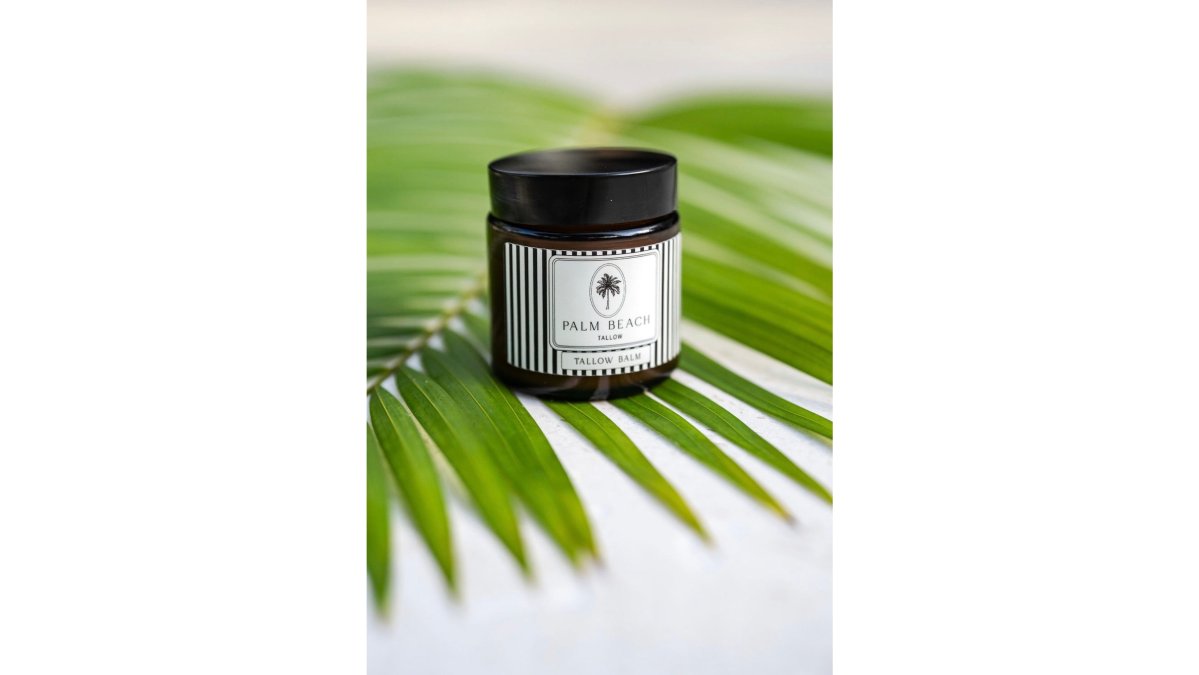
- Cleanse with a gentle, non-foaming cleanser
- Pat skin until it is damp, not soaking
- Warm a pea-sized amount of balm between your palms
- Press, do not rub, into face and neck
- Use morning and night, or as a night treatment if your skin is oily
Pros and Cons of Tallow for Skin Regeneration
Tallow is a strong choice for dry, sensitive, and aging skin, but not a fit for everyone. Weigh the trade-offs honestly.
Pros:
- Rich in vitamins A, D, E, and K that support skin repair and elasticity
- Fatty acid profile mirrors human sebum for deep absorption
- Simple, recognizable ingredients with no synthetic fillers
- Safe for all ages, including babies and sensitive skin
- Reef friendly and environmentally conscious
Cons:
- No formal non-comedogenic rating, so oily or acne-prone skin needs a patch test
- Clinical evidence specific to tallow is limited
- Richer texture than lightweight lotions, which some people dislike
- Costs more than basic drugstore moisturizers
Frequently Asked Questions
Why don't dermatologists like tallow?
Many dermatologists are skeptical because tallow is a rendered animal fat and lacks large-scale clinical trials. They often prefer synthetic moisturizers with proven track records. However, tallow's fatty acid profile closely mirrors human sebum, and its natural vitamins A, D, E, and K support skin repair. While the dermatological consensus leans cautious, anecdotal evidence from users with eczema and dry skin suggests tallow can be effective, especially when sourced from grass-fed, finished beef.
How long does it take to see results from using beef tallow?
Most people notice improved hydration and softer skin within a few days of consistent use. For more significant changes like reduced dryness or calmer irritation, allow two to four weeks. Skin regeneration is a gradual process, and tallow works by supporting the skin barrier and moisture retention. Results vary based on skin condition, frequency of application, and overall routine. Using a high-quality tallow balm daily, especially after bathing, can help maximize benefits.
Is tallow safe for sensitive skin and conditions like eczema?
Tallow is generally well-tolerated because its lipids resemble those in human skin, making it biocompatible. It contains no synthetic preservatives or fragrances, which are common irritants. Many people with eczema or psoriasis find relief from tallow's soothing and occlusive properties. However, anyone with sensitive skin should patch-test first. Palm Beach Tallow's balms are made with grass-fed tallow, organic olive oil, and beeswax, and are free from synthetic fillers, making them a gentle option for reactive skin.
How does tallow compare to plant-based moisturizers for skin regeneration?
Plant-based moisturizers often rely on oils like jojoba or shea butter, which can be beneficial but may not match tallow's lipid profile. Tallow contains fat-soluble vitamins A, D, E, and K, plus fatty acids that mimic sebum, potentially supporting cell turnover and barrier repair more effectively. That said, some people prefer plant-based options for ethical or vegan reasons. The best choice depends on your skin's needs and values. Tallow balm is a strong contender for those seeking deep hydration and regeneration support.