
Why Avoid Parabens in Skincare Products
Table of Contents
- What Parabens Are and Why They're Used in Skincare
- How Parabens Work as Preservatives in Cosmetics
- Are Parabens Bad for You: Health Concerns and Evidence
- Paraben Ingredients to Avoid on Your Labels
- What Does Paraben-Free Mean and Is It Safer
- Paraben Alternatives in Cosmetics That Actually Work
- Making the Switch: How to Choose Paraben-Free Skincare
- Frequently Asked Questions
Last Updated: October 11, 2026
What Parabens Are and Why They're Used in Skincare
Parabens are preservatives that prevent bacteria, fungi, and other microorganisms from growing in skincare products. They've been used in cosmetics and personal care products for decades because they're effective, inexpensive, and have a long track record in the industry.
Common types include methylparaben, ethylparaben, propylparaben, and butylparaben. Manufacturers add them to extend shelf life and prevent contamination during storage and use.
Parabens became widespread because they work reliably across formulations at low concentrations, preventing mold and bacterial growth without requiring high amounts.
How Parabens Work as Preservatives in Cosmetics
Parabens prevent microbial growth by penetrating cell membranes and disrupting reproduction, stopping bacteria and fungi before they contaminate the formula.
This preservative action keeps products safe for months after opening, which is why parabens remain popular despite growing interest in alternatives.
Methylparaben and ethylparaben are most common because they're effective at low concentrations. Propylparaben and butylparaben are stronger and used less frequently.
The challenge is balancing effectiveness with safety, strong enough to prevent contamination but not so strong it irritates skin.
Are Parabens Bad for You: Health Concerns and Evidence
Understanding why avoid parabens in skincare products requires separating laboratory findings from real-world human exposure and dose.
Endocrine disruption: Laboratory findings versus human exposure
Laboratory studies show parabens can exhibit estrogenic activity in isolated cells, raising questions about potential hormone effects.
However, laboratory activity does not automatically translate to harm in humans:
- Dose: Lab studies use concentrations 100-1,000 times higher than skincare exposure.
- Absorption: Parabens applied topically are poorly absorbed; only a small fraction penetrates intact skin.
- Metabolism: The body metabolizes parabens quickly; they don't accumulate indefinitely.
- Human studies: Direct evidence of endocrine disruption from cosmetic use remains limited.
The FDA and European Commission have concluded that parabens at current cosmetic levels do not pose a known health risk based on available evidence (the FDA).
Skin irritation and allergies: A real, individual concern
Contact dermatitis and allergic reactions to parabens are well-documented, affecting approximately 1-3% of people in patch-test studies.
If you've experienced skin reactions after using paraben products, you likely have a sensitivity. Propylparaben and butylparaben are more allergenic than methylparaben or ethylparaben.
Precaution versus established harm
Many consumers understand why avoid parabens in skincare products as a precautionary measure. This is reasonable: you don't need absolute certainty to decide what goes on your skin. The question is whether you prefer alternatives that align with your values.
If you have sensitive skin, a history of contact dermatitis, or a confirmed paraben allergy, avoiding parabens is a practical, evidence-based choice. If you're avoiding them purely on the basis of theoretical endocrine risk at cosmetic exposure levels, recognize that you're making a precautionary choice rather than responding to an established health threat.
Paraben Ingredients to Avoid on Your Labels
Learning to spot parabens on ingredient lists is straightforward once you know what to look for. They're always labeled with the word "paraben" as part of the ingredient name.
The four most common parabens to watch for are:
- Methylparaben, the most frequently used paraben in skincare
- Ethylparaben, commonly paired with methylparaben in formulations
- Propylparaben, stronger preservative, used in smaller amounts
- Butylparaben, the strongest of the common parabens, least frequently used
Ingredients appear on labels in descending order by concentration. Parabens typically appear near the end of the list because they're used in small amounts. If you see any paraben name listed, the product contains that preservative.
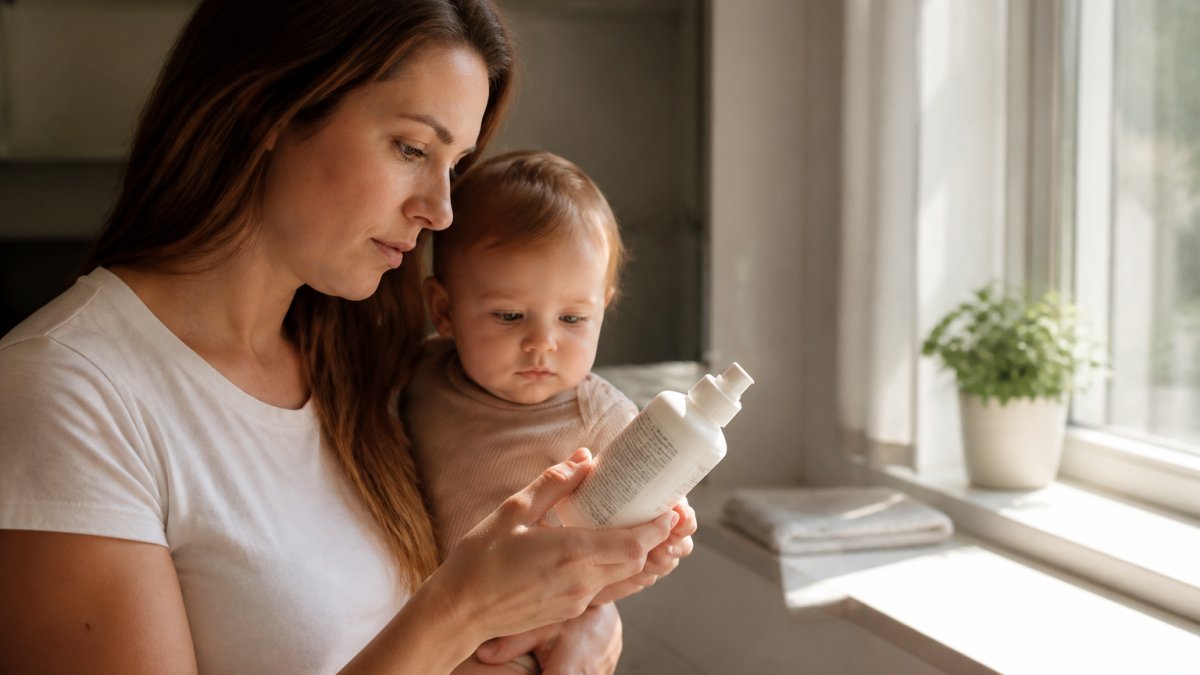
Many products contain multiple parabens. A moisturizer might list both methylparaben and propylparaben. Some formulations use a blend of parabens to achieve better preservative coverage across different types of microorganisms.
The challenge is that parabens hide behind their chemical names. If you're shopping quickly, it's easy to miss them. Developing the habit of checking ingredient lists before purchase, or using a skincare app that flags paraben-containing products, makes avoiding them much easier.
What Does Paraben-Free Mean and Is It Safer
Paraben-free means a product uses a different preservative system instead of parabens. It does not mean the product has no preservatives at all; it means the manufacturer chose an alternative preservation method to prevent bacterial and fungal contamination.
Understanding the preservation trade-off
Parabens are effective preservatives because they work across a broad spectrum of microorganisms, remain stable across pH ranges and formulation types, and require relatively low concentrations to prevent contamination. When a brand removes parabens, it must replace that function with something else, and every alternative involves trade-offs.
Grass-Fed Tallow Balm for Dry Skin →
Common paraben alternatives include:
- Phenoxyethanol: A synthetic preservative widely used in "clean" skincare. It is effective against bacteria and fungi but less broad-spectrum than parabens. Some consumers avoid it specifically because it is synthetic, despite its safety profile.
- Potassium sorbate and sodium benzoate: Derived from sorbic and benzoic acids, these work well against fungi and some bacteria but are less effective against a full range of microorganisms. They often require higher concentrations or must be combined with other preservatives.
- Natural preservatives (rosemary extract, vitamin E, grapefruit seed extract): Appeal to consumers seeking plant-based ingredients, but they are often less stable, have narrower antimicrobial spectrums, and may require higher concentrations or shorter shelf lives.
- Formaldehyde-releasing preservatives (sodium hydroxymethylglycinate): Effective but controversial because they release small amounts of formaldehyde over time, a trade-off some consumers find unacceptable.
Real consequences of paraben-free preservation
The choice to use paraben-free preservatives can affect product performance in measurable ways:
- Shelf life: Paraben-preserved products often remain stable for 24-36 months unopened. Paraben-free formulations, especially those using natural preservatives, may have shorter shelf lives (12-18 months) or require refrigeration after opening.
- Contamination risk: Products with less effective preservative systems are more vulnerable to contamination if not stored properly, if the container is not sealed tightly, or if hygiene during use is poor. A product opened frequently or left in a warm, humid bathroom faces higher contamination risk if the preservative system is weaker.
- Concentration and irritation: To compensate for lower efficacy, paraben-free formulations sometimes use higher concentrations of alternative preservatives. This can increase the risk of skin irritation for sensitive individuals, potentially replacing one concern with another.
- Cost: Paraben-free preservative systems are often more expensive to develop and source, which is reflected in product pricing.
Is paraben-free automatically safer?
No. A paraben-free product might use preservatives that some people find equally problematic, or it might use a blend of alternatives that work less effectively, requiring higher concentrations overall. The absence of parabens does not guarantee a product is gentler, more effective, or better for your skin. It only means a different preservative was chosen.
Some paraben-free products are excellent and well-formulated. Others prioritize the marketing claim over preservation efficacy, leading to products that either require careful storage or carry higher contamination risk. The label "paraben-free" is a marketing descriptor, not a quality guarantee.
When paraben-free makes sense
Paraben-free is a legitimate choice if:
- You have a confirmed paraben allergy or contact sensitivity (typically identified through dermatological patch testing).
- You prefer to avoid synthetic preservatives on principle, even if the safety data is reassuring.
- You are willing to accept trade-offs in shelf life or storage requirements in exchange for your preferred preservation system.
- You have access to products with effective paraben-free systems and proper storage conditions.
Paraben-free is not necessary if:
- You have no history of paraben sensitivity or allergic reaction.
- Your primary concern is theoretical endocrine risk at cosmetic exposure levels (the evidence does not support this as an established harm).
- You prioritize shelf stability, broad-spectrum preservation, and lower product cost over the specific absence of parabens.
Paraben Alternatives in Cosmetics That Actually Work
Skincare companies have developed several effective alternatives to parabens that serve the same preservative function. The best alternatives balance effectiveness with consumer preferences for cleaner ingredients.
Natural preservatives:
- Rosemary extract and other plant-based antioxidants
- Vitamin E (tocopherol)
- Grapefruit seed extract
Chemical preservatives (paraben-free):
- Phenoxyethanol, widely used in "clean" skincare despite being synthetic
- Potassium sorbate and sodium benzoate, derived from sorbic and benzoic acids
- Sodium hydroxymethylglycinate, a formaldehyde-releasing preservative
Each alternative has trade-offs. Natural preservatives appeal to consumers seeking plant-based ingredients, but they're often less stable and may require higher concentrations. Synthetic alternatives like phenoxyethanol are effective but don't satisfy consumers specifically avoiding all synthetic chemicals.
The reality is that no perfect preservative exists. Every option involves some compromise between effectiveness, cost, stability, and consumer perception. At Palm Beach Tallow, we use simple, recognizable ingredients like beeswax and organic olive oil in formulations.
Making the Switch: How to Choose Paraben-Free Skincare
Transitioning to paraben-free skincare requires more than just swapping product brands. It means understanding your skin's needs and finding formulations that address them without parabens.

Start with a single product swap. Don't overhaul your entire routine at once. Replace one product, perhaps your daily moisturizer, with a paraben-free alternative. Use it for two to three weeks before evaluating how your skin responds.
Read the full ingredient list, not just the paraben status. A paraben-free product might contain other ingredients your skin reacts to.
Expect different textures and application. Paraben-free formulations often feel different on skin. Some are richer, some absorb faster, some have a different scent profile. These differences don't indicate quality, they reflect the different preservation and texture systems the brand uses.
Look for simple ingredient lists. The cleanest paraben-free products tend to have shorter ingredient lists overall.
Give your skin time to adjust. If you've used conventional skincare for years, your skin may take time to adapt to different formulations. Some people experience an adjustment period of two to four weeks before seeing improvements. Patience matters when making the switch.
The goal isn't perfection, it's finding products that work for your skin and align with your values around clean, non-toxic ingredients.
Making informed choices about the products you use on your family's skin matters. At Palm Beach Tallow, we've built our entire product line around simple, wholesome ingredients like grass-fed tallow, beeswax, and organic olive oil, formulations designed to nourish your family's skin safely and effectively. Explore our paraben-free skincare collection and experience the difference that clean ingredients can make for your skin.
Frequently Asked Questions
Are parabens harmful to your skin?
Parabens rarely cause immediate skin harm for most people, but some individuals experience allergic reactions or contact dermatitis. Concerns center on long-term exposure and potential endocrine effects rather than acute skin irritation. If you have sensitive skin or a history of reactions to personal care products, patch-testing any new product, paraben-containing or not, is wise before full-face application.
How can I tell if a skincare product contains parabens?
Check the ingredient list for methylparaben, ethylparaben, propylparaben, or butylparaben. These names appear in the full ingredient disclosure required on all cosmetic labels. Parabens are often listed near the end of the ingredient list because they're used in small concentrations. Products labeled 'paraben-free' have eliminated all four common types, though some brands use alternative preservatives you should still review.
Does paraben-free mean a product is safer?
Paraben-free doesn't automatically mean safer, it means the product uses different preservatives. Some alternatives like phenoxyethanol or natural preservatives carry their own considerations. What matters is the complete ingredient profile and how the product is formulated. A paraben-free product with irritating essential oils or synthetic fragrances may cause more problems than a well-formulated paraben-containing option. Read the full ingredient list, not just the paraben claim.
What are common alternatives to parabens in skincare?
Skincare brands now use preservatives like phenoxyethanol, sorbic acid, benzoic acid, and natural options such as vitamin E and rosemary extract. Some formulations rely on stable emulsions and careful packaging to reduce microbial growth without chemical preservatives. Tallow-based products like those from Palm Beach Tallow use simple, recognizable ingredients from grass-fed tallow and beeswax, offering an alternative approach to preservation without synthetic additives.