
Is Tallow Scientifically Proven for Skin: 5 Evidence-Based Facts
Last Updated: October 25, 2026
Quick Summary
Is tallow scientifically proven for skin? The science is promising but incomplete. Tallow's lipid profile aligns with skin barrier needs and carries low-to-moderate comedogenic risk, but large-scale clinical data directly comparing tallow to conventional moisturizers remains absent.
- Tallow contains oleic, linoleic, and stearic acids that mirror your skin's natural lipid composition.
- Tallow has a comedogenic rating of 2-3 on a 0-5 scale, making it less pore-clogging than coconut oil but riskier than jojoba oil.
- Most tallow claims derive from chemical composition and anecdotal reports rather than randomized controlled trials on human subjects.
- Start with a pea-sized amount on clean, slightly damp skin once daily to assess individual compatibility.
- Grass-fed, low-temperature rendered tallow preserves nutrients and prevents oxidative damage better than alternatives.
Table of Contents
- What Beef Tallow Is and How It's Rendered
- What Research Says About Tallow for Skin
- The Fatty Acid Profile: Why Tallow Mimics Your Skin Barrier
- Is Beef Tallow Non-Comedogenic: Separating Myth from Evidence
- Beef Tallow for Face Risks: What You Should Know Before Using
- How to Use Beef Tallow on Skin Safely and Effectively
- Choosing Your First Tallow Skincare Product
- Frequently Asked Questions
What Beef Tallow Is and How It's Rendered
Beef tallow is rendered fat from cattle, traditionally used in cooking and skincare for centuries. At Palm Beach Tallow, we recognize that is tallow scientifically proven for skin remains a central question for families seeking non-toxic alternatives to conventional moisturizers. Tallow begins as raw fat tissue from grass-fed cattle, which is then slowly heated to separate the pure fat from connective tissue and water.
The rendering method matters significantly. Low-temperature rendering preserves the nutrient profile and prevents oxidation, which can degrade the fat's beneficial properties. Once cooled, rendered tallow solidifies into a balm-like consistency that melts on contact with warm skin. This simple transformation, from raw animal fat to refined skincare ingredient, is what makes tallow fundamentally different from synthetic moisturizers.
Many people find tallow appealing because it requires minimal processing and no synthetic stabilizers or preservatives. This simplicity appeals to parents concerned about what their children's skin absorbs and to adults managing sensitive or reactive skin conditions. The FDA's guidance on cosmetic ingredients clarifies that tallow itself is not regulated as a drug when used as a moisturizer, though claims about treating skin conditions cross into therapeutic territory.
What Research Says About Tallow for Skin
The scientific evidence for tallow's skin benefits is limited but growing. Most studies examining tallow focus on its fatty acid composition rather than direct clinical trials on human skin. Research suggests that tallow's lipid profile, dominated by oleic and stearic acids, aligns with the skin barrier's natural composition, which theoretically supports absorption and compatibility. However, direct clinical evidence comparing tallow to established moisturizers remains sparse.
A key limitation in the current literature is the lack of peer-reviewed studies specifically testing tallow on human subjects with various skin types and conditions. Most claims about tallow's benefits derive from its chemical composition, historical use, and anecdotal reports rather than randomized controlled trials. This distinction matters: knowing what tallow contains is not the same as proving it delivers measurable skin improvements.
What researchers do agree on is that tallow contains bioactive compounds, vitamins and fatty acids, that skin can potentially use. Research on skin lipids and barrier function from the Journal of Lipid Research demonstrates that skin barrier health depends on specific fatty acid ratios, and tallow's composition mirrors this need. Yet translating chemical compatibility into clinical benefit requires evidence that hasn't yet been systematically gathered for tallow specifically.
The Fatty Acid Profile: Why Tallow Mimics Your Skin Barrier
Your skin's barrier is composed primarily of lipids, fats that hold moisture in and irritants out. Tallow contains oleic acid, linoleic acid, and stearic acid in proportions that resemble the skin's natural lipid composition. Learn how tallow compares to standard moisturizers in composition and performance. This structural similarity is why many practitioners believe tallow works well on skin: it speaks the skin's chemical language.
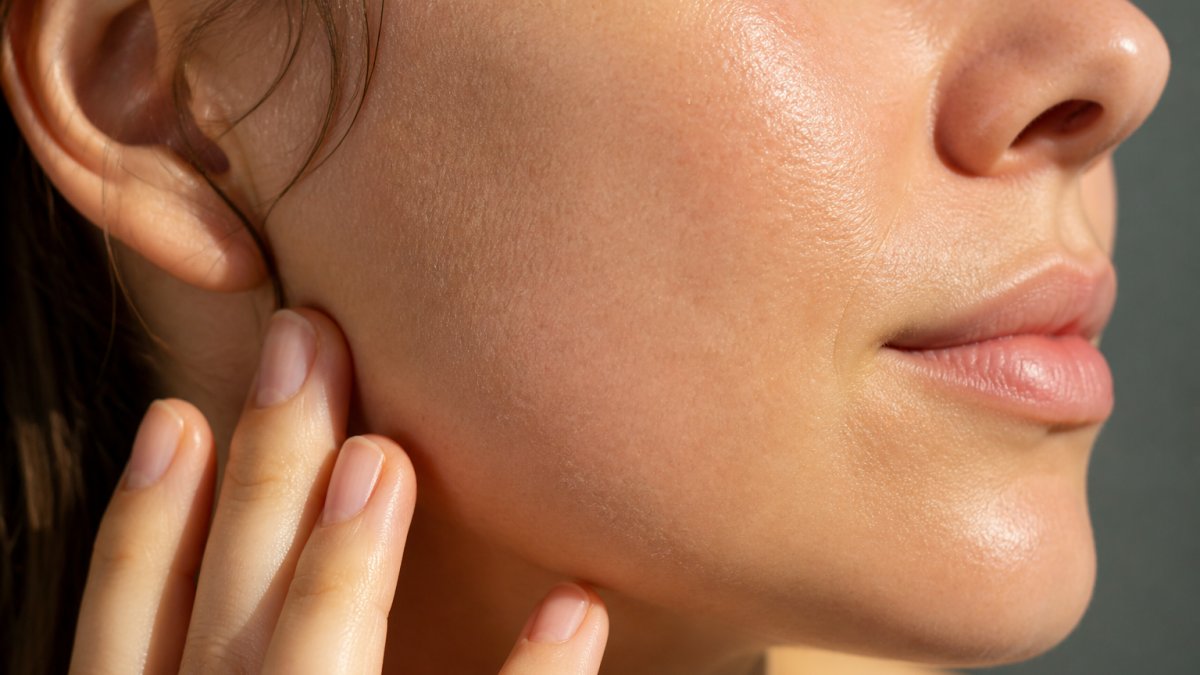
Oleic acid, the dominant fatty acid in tallow, is an omega-9 monounsaturated fat that penetrates skin readily. Linoleic acid, an omega-6 polyunsaturated fat, supports barrier integrity and is essential for skin health, deficiency leads to increased water loss and irritation. Stearic acid, a saturated fat, provides occlusive properties that seal moisture in. Together, these fatty acids create a product that functions as both an emollient (softening agent) and an occlusive (barrier-sealing agent).
The comparison to standard moisturizers is instructive. Many commercial moisturizers use synthetic emollients like dimethicone or mineral oil, which sit on the skin but don't integrate into the barrier structure. Tallow, by contrast, contains lipids your skin naturally produces. This doesn't guarantee superior performance, compatibility doesn't automatically mean efficacy, but it does suggest a biological rationale for why some people report positive results.
Is Beef Tallow Non-Comedogenic: Separating Myth from Evidence
The comedogenicity of is tallow scientifically proven for skin remains contested in both popular discussion and skincare literature. Comedogenic means pore-clogging; non-comedogenic means it doesn't. Tallow has a comedogenic rating of 2-3 on a scale of 0-5, placing it in the low-to-moderate range. For comparison, coconut oil rates 4-5 (highly comedogenic), while jojoba oil rates 2 (similar to tallow). This suggests tallow is less likely to clog pores than some alternatives, though risk still exists for acne-prone individuals.
The challenge is that comedogenicity varies by person. Skin microbiota, sebum production, existing barrier health, and individual sensitivities all influence whether a product causes breakouts. A fat that doesn't clog one person's pores may trigger congestion in another. This is why blanket statements, "tallow is non-comedogenic" or "tallow clogs pores", oversimplify the reality.
For those with acne-prone skin, a patch test on a small area is essential before full-face application. Explore what to look for in tallow balm for acne-prone skin to make an informed choice. Watch out: applying tallow heavily to already-congested skin can worsen breakouts. Many people with mild acne tolerate tallow well, particularly when applied sparingly to clean, slightly damp skin. Others find it exacerbates congestion.
Beef Tallow for Face Risks: What You Should Know Before Using
Applying tallow to facial skin carries specific risks worth understanding before you commit to regular use. The most common concern is pore congestion, particularly for people with oily or acne-prone skin. Tallow's occlusive nature, its strength in sealing moisture, can also trap bacteria and dead skin cells if not used carefully.
Oxidation is another consideration that receives less attention than it deserves. Tallow, like all animal fats, can oxidize over time, particularly if exposed to heat, light, or air. Oxidized fats produce compounds that may irritate sensitive skin or trigger inflammation.
Grass-Fed Tallow Balm for Dry Skin →
Allergic reactions, while uncommon, are possible. Some people react to beef proteins that may remain in tallow, particularly if the rendering process was incomplete. Others may react to added ingredients like essential oils or carrier oils. Patch testing on inner arm skin before facial application helps identify sensitivities early.
For pregnant individuals and parents considering tallow for infants or very young children, the safety profile is generally favorable, tallow is food-grade and has been used on skin for generations, but individual caution remains wise. Consult a healthcare provider if you're uncertain about using tallow on compromised skin, active wounds, or conditions like severe eczema or psoriasis.
How to Use Beef Tallow on Skin Safely and Effectively
Starting with tallow requires a measured approach, particularly if your skin is sensitive or reactive. Begin with a small amount, roughly the size of a pea, warmed between your fingertips until it softens. Apply to clean, slightly damp skin, focusing on dry areas first. The moisture on your skin helps the tallow spread evenly and supports absorption.
Frequency matters. Once daily, typically at night, is a common starting point. Some people use tallow twice daily, but this increases the risk of buildup or congestion, particularly on the face. If you're new to tallow, one application daily for two weeks allows you to assess how your skin responds.
For body use, tallow is more forgiving. Many people find Grass-Fed Tallow Balm for Dry Skin effective for hands and body, while using smaller amounts on the face. The Whipped Tallow Balm offers a lighter texture that spreads more easily across larger areas and absorbs faster, making it a good option if you find the classic balm too heavy.


Watch out: applying tallow to excessively dry skin without any water present can feel greasy and may not absorb well. The slight dampness on freshly cleansed skin acts as a transport mechanism, helping the tallow integrate into your skin barrier rather than sitting on the surface.
Choosing Your First Tallow Skincare Product
If you've decided to try tallow, product quality and formulation significantly influence your experience. Look for tallow sourced from grass-fed, grass-finished cattle, this diet produces a fatty acid profile richer in beneficial compounds like conjugated linoleic acid (CLA) compared to grain-fed alternatives. The rendering method also matters; low-temperature rendering preserves nutrients and prevents oxidative damage that can compromise safety and efficacy.
| Product | Texture | Best For | Key Ingredients |
|---|---|---|---|
| Grass-Fed Tallow Balm | Rich, solid | Dry patches, body, face (small amount) | Tallow, olive oil, beeswax, sweet orange oil |
| Whipped Tallow Balm | Light, airy | Larger body areas, faster absorption | Tallow, castor oil, olive oil, beeswax, sweet orange oil |
| Tallow Sunscreen | Protective balm | Sun defense with hydration | Tallow, coconut oil, beeswax, non-nano zinc oxide |
Ingredient simplicity is a genuine advantage in tallow products. Fewer ingredients mean fewer potential irritants and easier troubleshooting if your skin reacts. Palm Beach Tallow's formulations use four to five recognizable ingredients, tallow, carrier oils like olive oil, beeswax for stability, and optional essential oils for scent.
For dry skin, the Grass-Fed Tallow Balm for Dry Skin at $34.00 is a solid entry point. It's concentrated and goes a long way, making the cost-per-use reasonable despite the higher price point than drugstore alternatives.
Start with one product and use it consistently for at least four weeks before assessing results. Skin changes gradually, and rushing to judgment after a few days often leads to abandoning products that would have worked. Pay attention to how your skin feels, not just looks, as tallow's primary benefit is hydration and barrier support rather than dramatic visible transformation.
The decision to use tallow comes down to individual skin compatibility and your comfort level with the available evidence. Is tallow scientifically proven for skin? The honest answer is: the science is promising but incomplete. If you're seeking a simple, recognizable ingredient with a logical biological rationale and a long history of use, tallow deserves consideration. The American Academy of Dermatology's guidance on moisturizer selection emphasizes that effective moisturizers should match individual skin type and barrier needs, a principle tallow-based products can satisfy for many people.
Frequently Asked Questions
Is there scientific evidence that tallow benefits skin?
Tallow's lipid composition closely mirrors the skin barrier, making it biocompatible with how skin naturally protects itself. However, direct clinical trials on tallow as a skincare product are limited. Most evidence comes from its fatty acid profile (oleic and linoleic acids) and its historical use in traditional skincare. Dermatologists recognize tallow as a functional emollient and occlusive, but claims about specific benefits like anti-aging or scar reduction require more peer-reviewed research. The strongest support exists for its moisturizing properties in dry skin.
Can beef tallow clog pores or cause breakouts?
Tallow rates as low to moderately comedogenic depending on its purity and individual skin response. The oleic acid content (which comprises roughly 40% of beef tallow's fatty acids) can be problematic for acne-prone skin in some people. However, many users with oily or acne-prone skin report no issues, suggesting individual variation matters. A patch test on a small area first is essential. If you have active acne or very reactive skin, start conservatively and monitor for 1-2 weeks before broader use.
Is beef tallow safe to use on sensitive skin?
Tallow's simplicity and lipid compatibility make it appealing for sensitive skin, but safety depends on product quality and individual reactivity. Grass-fed tallow sourced from reputable producers is less likely to contain contaminants or oxidized lipids that trigger irritation. People with eczema or psoriasis often respond well, though some experience flare-ups if the product contains added fragrance or if oxidation has occurred. Always patch test first, and consult a dermatologist if you have severe or diagnosed skin conditions before introducing any new product.
How does beef tallow compare with established moisturizers like ceramides or squalane?
Tallow functions primarily as an emollient and occlusive, trapping moisture in the skin. Ceramides work differently: they are lipids that fill gaps in the skin barrier itself. Squalane is a lighter occlusive derived from plant sources. Tallow's strength is its rich fatty acid profile and biocompatibility; its limitation is lack of clinical evidence for specific skin conditions. Established moisturizers like ceramides have more peer-reviewed studies backing their efficacy. For dry skin and general hydration, tallow performs comparably; for targeted barrier repair or anti-aging claims, ceramide-based products have stronger evidence behind them.
